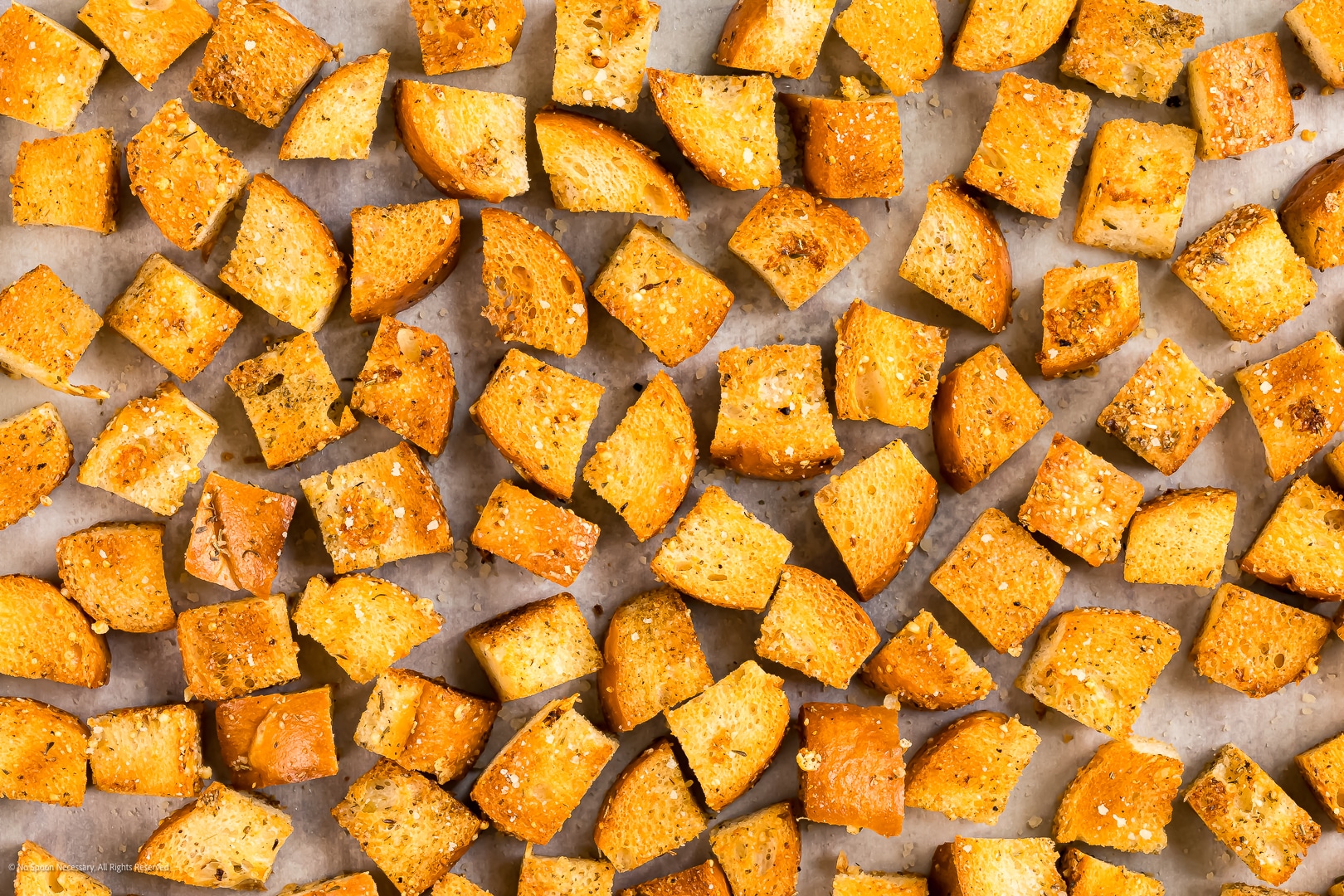
Unlock Culinary Magic: How to Make Croutons That Will Transform Your Meals
Forget everything you thought you knew about croutons. If your experience is limited to the hard, dry, often flavorless nuggets from a bag, prepare for a revelation. Learning how to make croutons at home isn't just easy; it's a game-changer that elevates salads, soups, and even simple snacks into something extraordinary. Imagine biting into a crouton that isn't a "hard rock," but rather a "soft biscuit of crunchiness," shattering willingly to your teeth with an explosion of fresh, savory flavor. That's the homemade difference, and once you experience it, there's no going back.
Homemade croutons are astonishingly superior to their store-bought counterparts. They offer a texture that’s simultaneously crisp and yielding, a fresh taste that's simply incomparable, and a versatility that store-bought options can only dream of. The best part? You can achieve this culinary feat with just a few simple ingredients and either your oven or a stovetop skillet.
Why Homemade Croutons Are a Game-Changer
The journey to perfect croutons begins with understanding their transformative power. Many people view croutons as an afterthought, a mere garnish. However, a truly great crouton isn't just an addition; it's an integral part of the dish, providing a crucial textural contrast and a burst of flavor. When you make them yourself, you control every aspect, from the type of bread to the precise blend of seasonings, resulting in a product that is infinitely more delicious and satisfying.
The difference is palpable. Store-bought croutons often feel like compressed, stale bread, lacking the nuanced flavors and delightful mouthfeel that fresh bread, toasted with care, delivers. When a homemade crouton crunches, it's not a struggle; it's a willing, joyful snap that releases savory notes and a tender interior. This superior texture and taste are why once you taste homemade, you'll find excuses to make salad just to enjoy these delightful morsels. For more in-depth reasons why homemade reigns supreme, explore our article on Easy Homemade Croutons: Why They Beat Store-Bought.
The Foundation: Choosing Your Bread, Fat, and Cut
Before diving into the cooking methods, a few foundational choices will define your crouton experience. These simple decisions lay the groundwork for perfection.
Selecting the Perfect Bread
The beauty of croutons is their forgiving nature. While you can use virtually any bread, some varieties lend themselves better to creating the ideal texture and absorbing maximum flavor. Crusty breads like sourdough boules or a French baguette are often preferred. Their open crumb structure creates wonderful pockets for seasoning to settle into, and the whimsically irregular shapes they produce are aesthetically pleasing.
However, don't let a lack of fancy bread deter you. The truth is, croutons are essentially just crispy, toasted bread. Any bread will work! In fact, older, slightly stale bread is often ideal. Being more dehydrated, it will toast and crisp up faster than fresh, soft bread. So, it's a fantastic way to use up bread that's a day or two past its prime.
Crouton Cuts: Cubes vs. Craggy Pieces
The way you cut (or tear) your bread influences both the appearance and the texture of your finished croutons:
- Cubes: Uniformly cut cubes (typically ½ to ¾ inch) offer a more robust, consistent crunch. They tend to look a bit more polished and are excellent for soaking up dressing without becoming soggy too quickly.
- Craggy Pieces: Tearing the bread into irregular, craggy pieces creates a more rustic, delicate crouton. These nooks and crannies are fantastic for catching and holding seasoning, and they often provide a more varied, satisfying chew. While cubes might be "prettier," many find the torn pieces more delightful to eat.
The size of your pieces also matters; smaller cubes or tears will bake faster, while larger ones require a bit more time to achieve that coveted golden crispness.
The Essential Fat
Fat is crucial for flavor, crispness, and browning. A good rule of thumb for incredibly flavorful croutons is to use about one tablespoon of fat per slightly heaping cup of cubed bread. You have options:
- Olive Oil: A classic choice, imparting a slightly peppery, fruity flavor and contributing to a wonderfully crisp texture.
- Melted Butter: Adds a rich, creamy depth of flavor and helps achieve a beautiful golden-brown color.
- A Mix: Combining olive oil and melted butter often yields the best of both worlds – the richness of butter with the crisping power and flavor notes of olive oil.
Master the Methods: Oven-Baked vs. Stovetop Savvy
Now that you've chosen your bread, cut, and fat, it's time to learn how to make croutons using your preferred method.
The Oven Method: Hands-Off Perfection
The oven method is fantastic for larger batches and provides wonderfully even browning with minimal fuss. It's often considered the easiest way to make consistently perfect croutons.
- Preheat Your Oven: Start by preheating your oven to 375°F (190°C).
- Season the Bread: Place your bread cubes or torn pieces in a large bowl. Drizzle generously with your chosen fat (olive oil, melted butter, or a mix).
- Add Your Base Flavors: Sprinkle with essential seasonings like kosher salt and freshly cracked black pepper. For a foundational savory kick, add garlic powder and, if desired, freshly grated Parmesan cheese.
- Toss Thoroughly: Using your hands or a spatula, toss everything together until the bread pieces are well-coated. Every surface should glisten with oil and seasoning. (This is often the point where you might be tempted to sneak a seasoned, unbaked piece – it’s that good!)
- Spread and Bake: Spread the seasoned bread in a single layer on a large baking sheet. Crucially, give the croutons plenty of room. Overcrowding the pan will steam them rather than crisp them.
- Bake to Golden Perfection: Bake for approximately 10-15 minutes, or until deeply golden brown and crispy. Halfway through (around the 5-7 minute mark), give the pan a shake or flip the croutons with a spatula to ensure even browning. Keep a close eye on them towards the end, as they can go from perfectly toasted to burnt quickly.
- Cool: Remove from the oven and let cool completely on the baking sheet. They will crisp up further as they cool.
Stovetop Savvy: Quick & Crispy Croutons
If you need croutons in a hurry or are making a smaller batch, the stovetop method is your go-to. It's faster but requires a bit more active attention.
- Heat the Pan: Heat 1-2 tablespoons of olive oil, melted butter, or a mix in a large skillet (cast iron works wonderfully) over medium heat.
- Add Bread: Once the fat is shimmering, add your bread cubes or torn pieces to the pan. Again, avoid overcrowding; cook in batches if necessary.
- Season and Cook: Sprinkle with salt, pepper, garlic powder, and any other desired seasonings. Toss frequently, stirring and flipping the croutons every minute or so, to ensure even browning on all sides.
- Watch for Gold: Continue cooking for 5-10 minutes, or until the croutons are golden brown and crispy all over.
- Drain and Cool: Remove from heat and transfer to a plate lined with a paper towel to absorb any excess oil. Let cool completely before serving.
Unleash Your Inner Chef: Flavor Customization Beyond Basics
While salt, pepper, garlic powder, and Parmesan make fantastic croutons, the real joy of learning how to make croutons at home lies in the endless possibilities for flavor customization. This is where you can truly make them your own and match them to any dish.
Think beyond the basics with these exciting additions:
- Herbaceous Heavens: Add dried Italian seasoning (oregano, basil, thyme), herbes de Provence, or a pinch of dried rosemary. If using fresh herbs like finely minced parsley or chives, add them towards the end of baking or after the croutons are cooked to prevent burning.
- Spicy Kicks: A pinch of smoked paprika or cayenne pepper can add warmth and a subtle smoky flavor. For a bolder kick, try a dash of chili powder.
- Umami Boosts: Beyond Parmesan, explore other hard, aged cheeses like Pecorino Romano (which has less moisture and bakes better). Nutritional yeast can also provide a cheesy, savory flavor without dairy.
- Global Flavors: Experiment with curry powder for an aromatic twist, or a Middle Eastern blend like za'atar for a unique herby and nutty profile.
- "Junk Food" Vibe: For a fun, indulgent option, sprinkle with ranch powder or even a bit of your favorite dry seasoning blend (like taco seasoning).
Remember that the fat you choose can also impact the flavor profile significantly. Butter adds richness, while a robust olive oil brings its own distinct character. Don't be afraid to experiment! For more detailed advice on maximizing your crouton's potential, check out Homemade Crouton Secrets: Texture Options & Flavor Boosts.
Conclusion
Mastering how to make croutons is a simple yet incredibly rewarding skill that every home cook should have in their repertoire. From their unparalleled texture and fresh taste to the boundless opportunities for flavor customization, homemade croutons are a testament to how easily a humble ingredient can be transformed into something extraordinary. Whether you opt for the hands-off reliability of the oven or the quick satisfaction of the stovetop, you're just minutes away from elevating your salads, soups, and snacks to a whole new level of deliciousness. So grab that loaf of bread, get experimenting, and prepare to be amazed by the magic of homemade.
